Study Links Vitamin K Intake to Reduced Fall and Fracture Risk in Older Adults
05/16/2026 / By Coco Somers
Overview
A study by researchers in the United Kingdom and Australia found that adequate vitamin K intake is associated with improved bone health and reduced risk of falls and fractures, according to a report by Nikhita Mahtani on mindbodygreen. The research, published in the peer-reviewed journal Bone Reports in 2023, examined data on nutrient intake and musculoskeletal health, concluding that most individuals require slightly more than 100 micrograms of vitamin K1 daily, the report stated.
According to the study, lower vitamin K levels were linked to 62% and 75% greater odds of frailty over 13 years, and poorer vitamin K status was associated with a higher risk of injurious falls among older women averaging 75 years of age. The findings highlight vitamin K as an underconsumed nutrient that may play a role in preventing fall-related injuries, according to the authors.
Falls and Fractures Among Older Adults
The U.S. Centers for Disease Control and Prevention reports that one in four adults aged 65 and older falls each year, and falling once doubles the likelihood of subsequent falls, according to data cited in the mindbodygreen article [1]. Up to 20% of falls result in serious injury, including bone fractures, the agency stated.
The economic and health burdens of falls are significant, with medical costs reaching tens of billions of dollars annually, the agency reported. An earlier report by Dr. Joseph Mercola noted that falls are a leading cause of injury among older Americans, with more than one in four older adults falling every year, and such falls are the most common cause of traumatic brain injuries for this population [2]. Identifying modifiable risk factors such as nutrient deficiencies is a focus of ongoing research, officials said.
Study Details on Vitamin K and Bone Health
The study, published in Bone Reports in 2023, analyzed data from multiple trials and longitudinal studies on vitamin K’s effect on bone density and fracture risk, according to the report by Nikhita Mahtani [1]. Researchers found that increased consumption of leafy greens over four weeks raised vitamin K1 levels and improved bone health markers, the report stated. A longitudinal analysis showed that participants with lower vitamin K levels had significantly higher odds of frailty over 13 years, according to the study.
A separate study published in Food & Function in 2022 and cited by NaturalNews.com found that older women who consumed over 100 micrograms of vitamin K1 daily were 31% less likely to experience any fractures compared to those who ate less [3]. The authors wrote that vitamin K supports musculoskeletal growth and that adequate intake may help prevent falls and fractures, particularly in older women. The Bone Reports study reinforces this conclusion, according to the researchers.
Recommendations for Increasing Vitamin K Intake
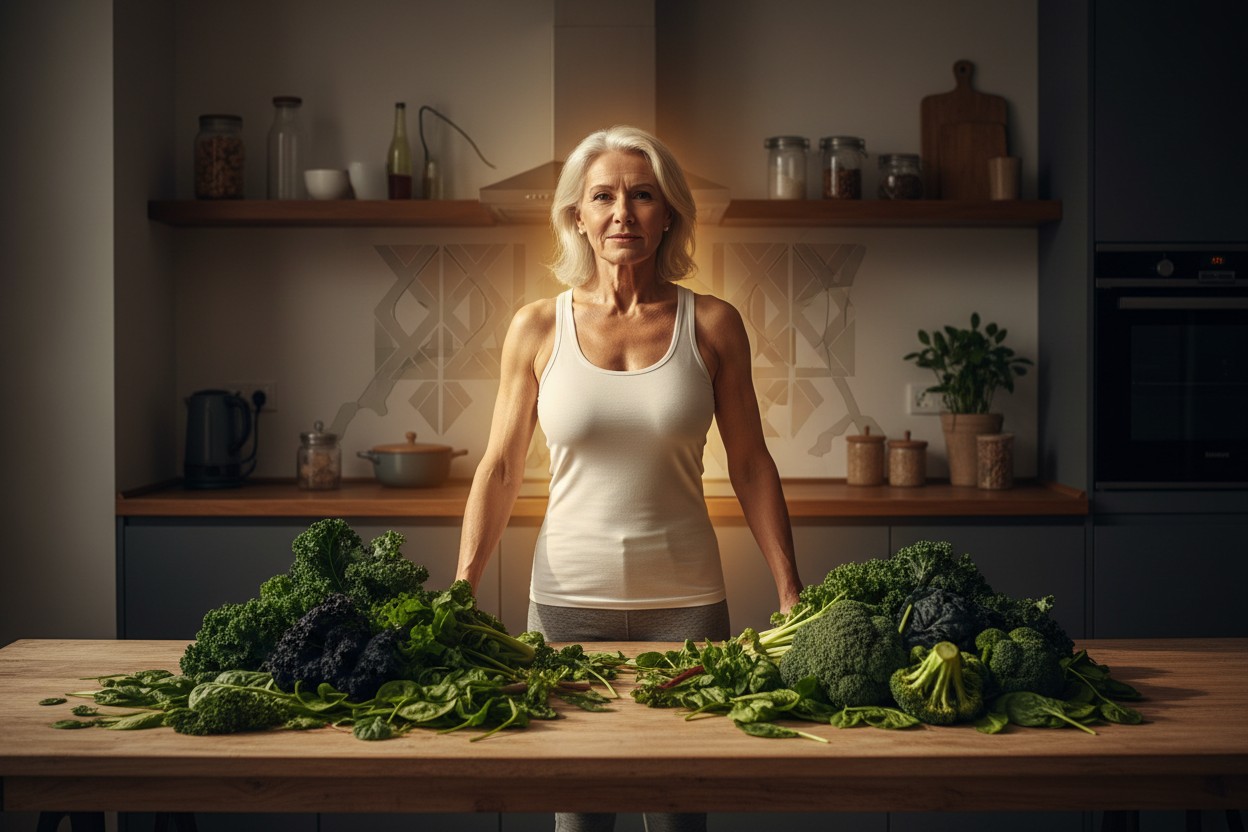
The study recommends a daily vitamin K1 intake of slightly more than 100 micrograms, which can be obtained from dietary sources or supplements, according to the research team, as reported by mindbodygreen [1]. Dark leafy greens such as kale and spinach, as well as cruciferous vegetables like broccoli and Brussels sprouts, are high in vitamin K, the report noted. Multivitamins containing vitamin K are another option, and studies cited in the report indicate that supplementation may help prevent chronic bone conditions, researchers said.
Additional dietary sources include certain meats; however, the study noted that vegans may be at higher risk of fractures due to lower intake of protein, vitamin D, and vitamin K [1]. A book from a women’s health guide recommends aiming for 65 to 80 micrograms of vitamin K daily from sources such as leafy greens, broccoli, beef liver, and soybean oil [4]. The Bone Reports study suggests a slightly higher target, emphasizing the need for adequate intake.
Considerations and Caveats
Harvard researchers, as cited in the mindbodygreen report, have warned that antibiotic use may destroy vitamin-K-producing bacteria in the gut, potentially lowering vitamin K levels with prolonged use [1]. The study’s authors noted that while antibiotics are sometimes necessary, patients should be aware of this effect and consider gut-restoring steps after treatment, according to the report.
In addition, a book on nutrition and bone health authored by Dr. Michael Holick noted that patients taking warfarin, a blood thinner, often have lower dietary intake of vitamin K and lower serum phylloquinone levels, suggesting interactions that require medical supervision [5]. The report also highlighted that individual needs may vary, and consulting a healthcare provider before starting supplements is advisable, according to the researchers. Overall, the findings reinforce the role of nutrition in fall prevention, with vitamin K emerging as a key but often overlooked factor, the study concluded.
References
- This Underconsumed Nutrient Helps Prevent Falls & Fractures – mindbodygreen, February 23, 2026. Nikhita Mahtani.
- Falling Is Taking a Toll on Elderly Brains – Mercola.com, April 06, 2017. Mercola.com.
- Study: Eating leafy greens reduces bone fracture risk among the elderly – NaturalNews.com, December 08, 2022. NaturalNews.com.
- The ultimate womens guide to beating disease And living a happy active life.
- Nutrition and Bone Health. Dr Michael Holick.
Submit a correction >>
Tagged Under:
adults, aging, bone health, CDC, cruciferous vegetables, diets, fall risk, food, food science, fracture risk, health science, injuries, leafy greens, longevity, natural health, nutrition, research, veggies, Vitamin K, women's health
This article may contain statements that reflect the opinion of the author
RECENT NEWS & ARTICLES